

She had been shopping for 20 minutes. She found the exact pair of boots she wanted – the right size, the right color, the right price. She added them to her cart, clicked “Proceed to Checkout,” and then… closed the tab.
Nothing went wrong. The price didn’t change. The boots were still available. But something in the checkout process triggered a response her brain interpreted as a warning. She stopped. She left.
This isn’t unusual behavior. It’s predictable neuroscience. The checkout process activates parts of the brain designed to detect and respond to threat – and until you understand what’s triggering those responses, you can’t fix them.
What Is the Amygdala and Why Does It Activate at Checkout?
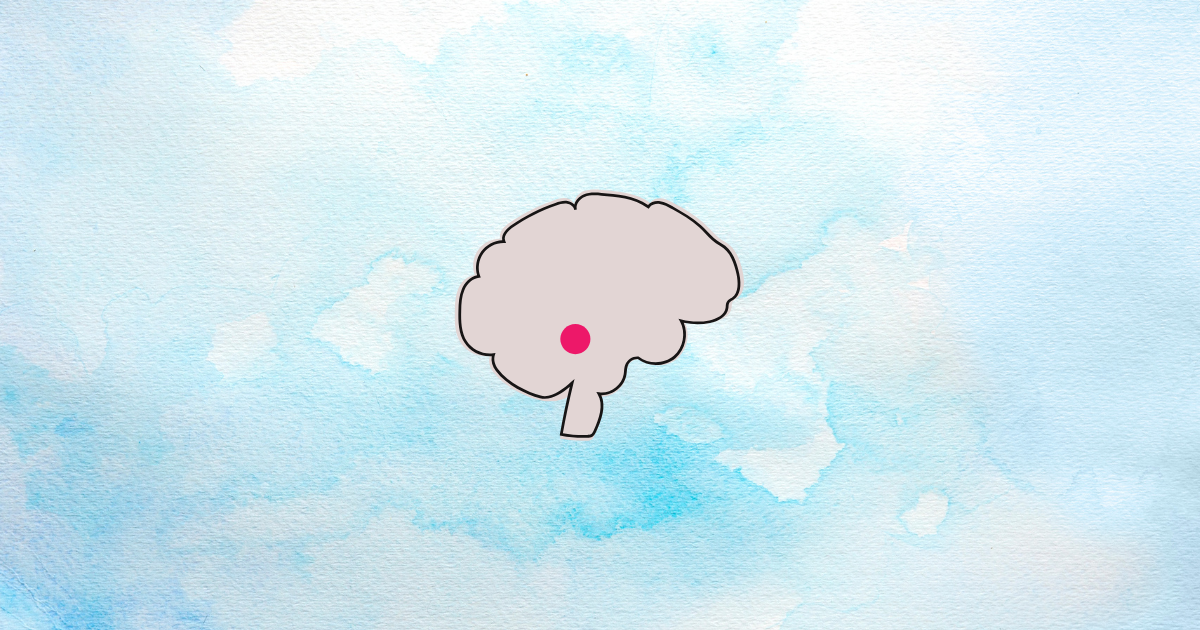
The amygdala is a small, almond-shaped structure in the brain that processes threat detection. It’s the part of the brain that makes you flinch when something moves unexpectedly near your face. It works fast, operates below conscious awareness, and triggers a physiological stress response when it detects something uncertain or dangerous.
During an online checkout, the amygdala can activate because checkout combines several elements the brain finds threatening: committing to an irreversible action, sharing sensitive personal and financial information, and trusting an unknown party with real consequences. These aren’t abstract fears. They’re real risks that the brain has been trained to respond to.
The customer doesn’t experience this as “fear” in the dramatic sense. They experience it as hesitation, doubt, a vague feeling that something isn’t right, or a sudden urge to “think about it more.” These feelings are the downstream effects of amygdala activation, and they’re powerful enough to override purchase intent that took 20 minutes to build.
The Six Checkout Fear Triggers
Not all checkout fear is the same. Research in consumer neuroscience identifies six distinct triggers that commonly cause amygdala activation during the purchase process:
- Payment security uncertainty – “Is my credit card information safe here?” Any visual cue that signals poor security (no HTTPS, no trust badges, unfamiliar payment processor) activates threat detection.
- Unexpected costs – Shipping fees, taxes, or processing charges that appear for the first time at checkout trigger a “surprise” response that the brain interprets as deceptive. Deception triggers threat.
- Irreversibility fear – “What if this is wrong and I can’t return it?” The feeling that a decision is final activates loss aversion circuits in the brain.
- Identity/privacy concern – Being asked for phone numbers, dates of birth, or other information that feels unnecessary triggers a “why do they need this?” alarm.
- Unfamiliarity with the brand – First-time purchases from unknown stores carry higher fear activation than repeat purchases. The brain has no prior “safe” experience to reference.
- Complexity and friction – Too many form fields, confusing navigation, or a checkout process that feels long activates cognitive overload, which the brain registers as a negative signal.
Security Signals and Why They Work
Trust badges, SSL certificates, and security seals work because they directly target amygdala activation. When the brain detects a threat, it’s also scanning the environment for signals that contradict the threat. Security symbols are shorthand for “this environment has been verified as safe.”
The effect is partly rational (customers know these logos mean something) and partly subconscious (the visual pattern of a security badge is processed as a safety cue before conscious reading happens).
What works best:
- Recognizable payment logos (Visa, Mastercard, PayPal) near the payment fields
- An SSL badge or padlock icon in checkout
- A brief, clear return policy statement near the buy button
- Real customer reviews visible in or near checkout (social proof that others have completed this transaction safely)
What doesn’t work: generic “100% Secure” badges with no recognizable logo behind them. The brain needs to recognize the source of the safety claim for it to reduce fear activation.
The Role of Social Proof at the Checkout Stage
Social proof works throughout the purchase funnel, but it has a specific neurological function at checkout. At this stage, the brain is asking: “Have other people survived this transaction?” Evidence that others have already bought and been satisfied answers this question before it can trigger doubt.
At checkout, the most effective social proof is:
- Recent order notifications or purchase counts (“247 people ordered this week”)
- Review snippets that specifically address delivery and return experiences
- Trust signals from third-party review platforms (Google, Trustpilot, Verified Reviews)
Generic five-star ratings are less effective at this stage than specific reassurances about the post-purchase experience. The fear at checkout isn’t “is the product good?” – the customer has already decided it is. The fear is “will this transaction go well?”
Friction as a Fear Amplifier
Every extra step, every confusing field, every moment of confusion in your checkout process is a fear amplifier. Friction doesn’t just slow customers down – it gives the amygdala time to escalate. A checkout that takes 30 seconds gives the brain almost no opportunity to activate doubt. A checkout that takes five minutes, requires account creation, and has six form fields allows multiple opportunities for fear to compound.
Common friction points and their fear impact:
- Forced account creation – Triggers privacy concern and commitment fear simultaneously. Guest checkout removes both triggers.
- Multi-page checkout – Each page transition gives the brain a decision point where it can choose to stop. Single-page checkout reduces these exit opportunities.
- Unnecessary form fields – Every extra field the customer doesn’t understand why you need adds a “what are they doing with this?” response.
- Address validation errors – Errors at checkout trigger frustration, which activates the same neural pathways as fear and sharply increases abandonment.
Checkout Fear vs. Purchase Regret
| Type | When It Occurs | Brain Mechanism | How to Reduce It |
|---|---|---|---|
| Pre-checkout fear | During cart review or at start of checkout | Amygdala threat detection | Social proof, security signals, clear return policy |
| Mid-checkout abandonment fear | During payment entry | Security anxiety, unexpected cost shock | Show all costs upfront, trusted payment logos |
| Post-purchase regret | Immediately after purchase confirmation | Loss aversion activation | Confirmation page reassurance, order tracking link |
| Post-delivery regret | After product arrives | Expectation mismatch | Accurate product photography, honest descriptions |
Reducing Amygdala Activation: Design Principles
Every design decision in your checkout should be evaluated against one question: does this increase or decrease uncertainty? Uncertainty is the primary trigger for amygdala activation. Certainty is the antidote.
Certainty-building design choices:
- Show the full cart summary on the payment page, including item images. The brain needs visual confirmation that what it’s paying for is what it wanted.
- Display all costs before payment entry. Surprises during payment entry are among the highest-impact abandonment triggers.
- Make the return policy specific and easy to find. “Free returns within 30 days, no questions asked” reduces irreversibility fear more than any other single message.
- Use a progress indicator. Showing “Step 2 of 3” gives the brain a map of the process, which reduces the “how long will this take?” uncertainty.
- Pre-fill known information. If a customer is logged in, pre-filling their address and payment details reduces friction and signals that the process is already in progress.
The Post-Purchase Fear and How to Neutralize It
Fear doesn’t end when the customer clicks “Place Order.” Post-purchase anxiety – a documented phenomenon sometimes called “buyer’s remorse” – is a second wave of amygdala activation that occurs immediately after commitment.
The brain, now locked into a decision, begins reviewing the evidence for whether that decision was safe. If it can’t find enough reassurance, it starts generating doubt. Customers in this state are more likely to cancel, return, or leave negative reviews regardless of product quality.
Your order confirmation page is the most underutilized anxiety-reduction tool in e-commerce. Instead of a generic “thanks, your order is confirmed” message, it should actively counter the common post-purchase fears:
- When exactly will the order arrive (specific date, not a range)?
- Where can they track it?
- What is the exact return process if needed?
- Is there a contact they can reach if anything is wrong?
Growth Suite approaches this problem from the beginning of the funnel. By showing personalized, time-limited offers only to customers who are genuinely uncertain – not to committed buyers – it reduces the psychological pressure on the checkout experience. A customer who received a genuine, personally relevant offer arrives at checkout with a different emotional state than one who felt pushed by manufactured urgency. Less fear going in means less abandonment coming out.
Key Takeaways
- The amygdala activates at checkout because checkout involves real risks – financial commitment, personal data sharing, and irreversible decisions all trigger threat detection
- Six triggers drive checkout fear – payment security uncertainty, unexpected costs, irreversibility, privacy concerns, brand unfamiliarity, and friction
- Security signals work because the brain is scanning for safety cues – recognized logos reduce amygdala activation faster than any written message
- Friction amplifies fear – every extra step gives the brain more time to escalate doubt; shorter checkout reduces this window
- Social proof at checkout answers “have other people survived this?” – not “is the product good?” which the customer already decided
- All costs must appear before payment entry – surprise charges at the payment stage are among the highest-impact abandonment triggers
- Post-purchase fear is real and addressable – the confirmation page should actively counter doubt with specific delivery dates, tracking, and return process details
The customers who abandon your checkout aren’t being irrational. Their brains are doing exactly what brains are designed to do: slow down and check for threat before making an irreversible commitment. Your job isn’t to override that instinct. It’s to give the brain the safety signals it needs to continue. Clear security cues, transparent pricing, frictionless forms, and specific return policies are not just “nice to have” design choices. They’re the neurological triggers that tell a cautious brain it’s safe to proceed.